
How to Care for a Surgical Incision at Home: A Wound Specialist’s Guide
Most surgical patients get five minutes of discharge instructions and a bag of supplies — then they’re on their own. Yet surgical incision care in the first two weeks at home has an outsized effect on how well, and how quickly, it heals. Here is what we tell our own patients.
For a general overview of what to expect after an operation, MedlinePlus maintains a plain-language recovery guide. What follows is the wound-specific detail that discharge paperwork usually leaves out.
The first 48 hours: less is more
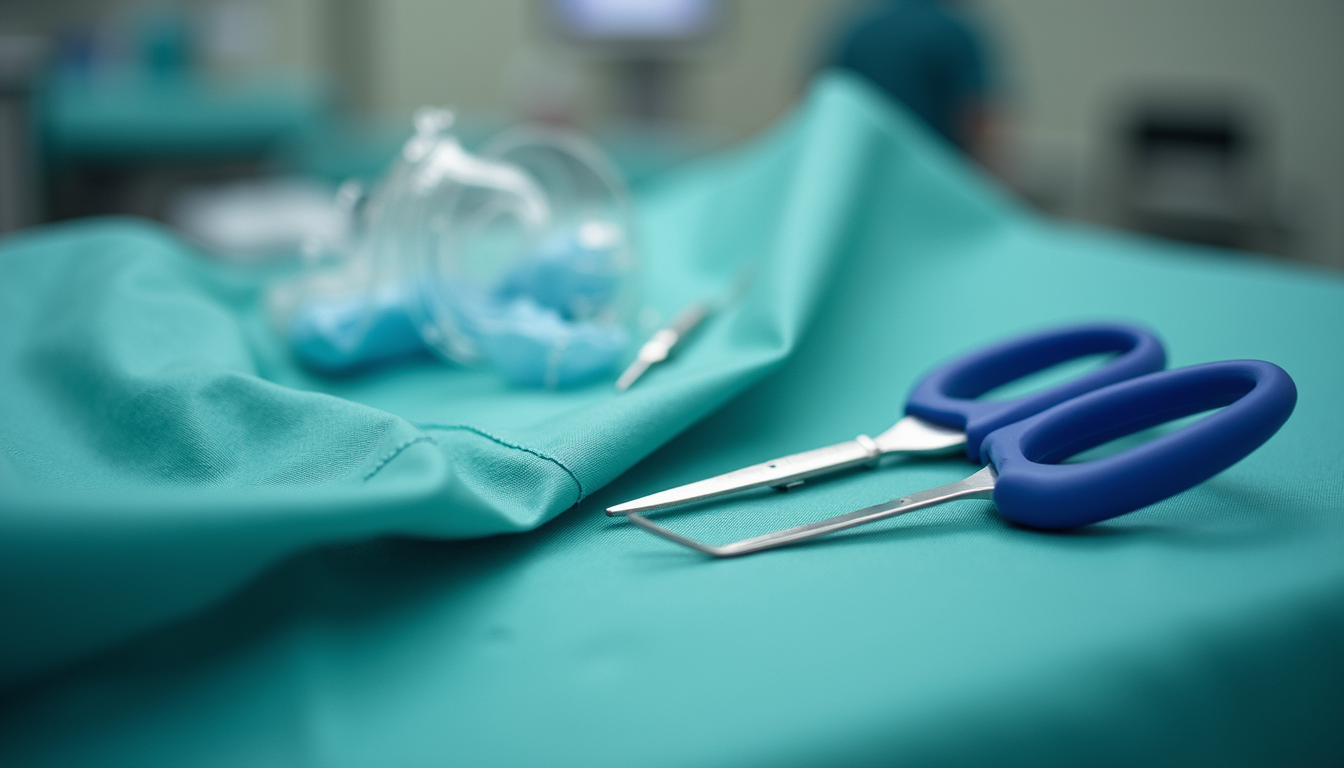
Right after surgery, your incision is held together by sutures, staples, surgical glue, or adhesive strips while new tissue forms underneath. In the first two days, your job is simply to protect it. Leave the original dressing in place for as long as your surgical team instructed — usually 24 to 48 hours — and keep it clean and dry. Rest, hydrate, and avoid lifting or stretching movements that pull on the incision line.
Surgical incision care, day to day
Wash your hands first, every time. Clean hands before touching the incision or changing a dressing is the single most effective thing you can do to prevent infection.
Keep it clean and dry. Once your team says showering is allowed, let soapy water run gently over the incision — don’t scrub it — and pat dry with a clean towel. Avoid baths, pools, and hot tubs until you’re cleared, since soaking softens healing tissue and invites bacteria.
Change dressings as directed. Follow the schedule you were given, and use the supplies your team recommended. If a dressing sticks, moisten it slightly rather than pulling it free.
Skip ointments, creams, and home remedies unless prescribed. Hydrogen peroxide and rubbing alcohol damage new tissue and slow healing. If your team didn’t tell you to put something on the incision, don’t.
Don’t pick. Adhesive strips fall off on their own; scabs protect the wound while it closes. Let them be.
What’s normal — and what isn’t
Some things look alarming but are a normal part of healing: mild redness right at the incision edges, mild swelling and bruising, itching, numbness or tingling near the site, and small amounts of clear or slightly pink drainage in the first few days.
Other signs mean the wound needs professional attention promptly:
- Redness that spreads outward from the incision, or red streaks
- Pain that increases after the first few days instead of easing
- Thick, cloudy, yellow or green drainage, or a foul odor
- Fever over 100.4°F (38°C) or chills
- The incision edges pulling apart or reopening
- Increasing warmth or hard swelling around the site
- Bleeding that doesn’t stop with gentle pressure
If you notice any of these, contact your surgical team or a wound care specialist the same day. Infections and wound separation are far easier to treat early. For a deeper look at healing timelines, see our guide to the signs a wound is not healing properly.
Support healing from the inside
Incisions heal faster when the whole body is supported. Prioritize protein at every meal, stay hydrated, and don’t smoke — smoking constricts blood vessels and is one of the most common reasons surgical wounds heal poorly. If you have diabetes, keeping blood sugar in range matters enormously; elevated glucose slows every phase of wound healing. Gentle movement, as approved by your surgeon, improves circulation without straining the incision.
When home care deserves professional hands
Some situations call for more than self-care: incisions in hard-to-reach or hard-to-see places, complex dressings, drains, wound vacs, a history of slow healing or diabetes, or simply the reality that getting back to a clinic every few days is exhausting when you’re recovering.
That’s the gap Wound Concierge fills. A doctoral nurse practitioner certified in wound care comes to your home, manages the incision start to finish — dressing changes, monitoring, early intervention if anything looks off — with a vascular surgeon overseeing every plan of care. You recover at home; we handle the wound.
Questions about an incision that doesn’t look right, or want expert eyes on your recovery from day one? Book an in-home visit and a wound-certified nurse practitioner will assess it in person — or explore memberships for ongoing recovery support. Call or text (650) 880-2121, seven days a week.
This article is for educational purposes and is not a substitute for the specific instructions provided by your surgical team.